
Home / Blog / What a contractor website needs
What a contractor website needs
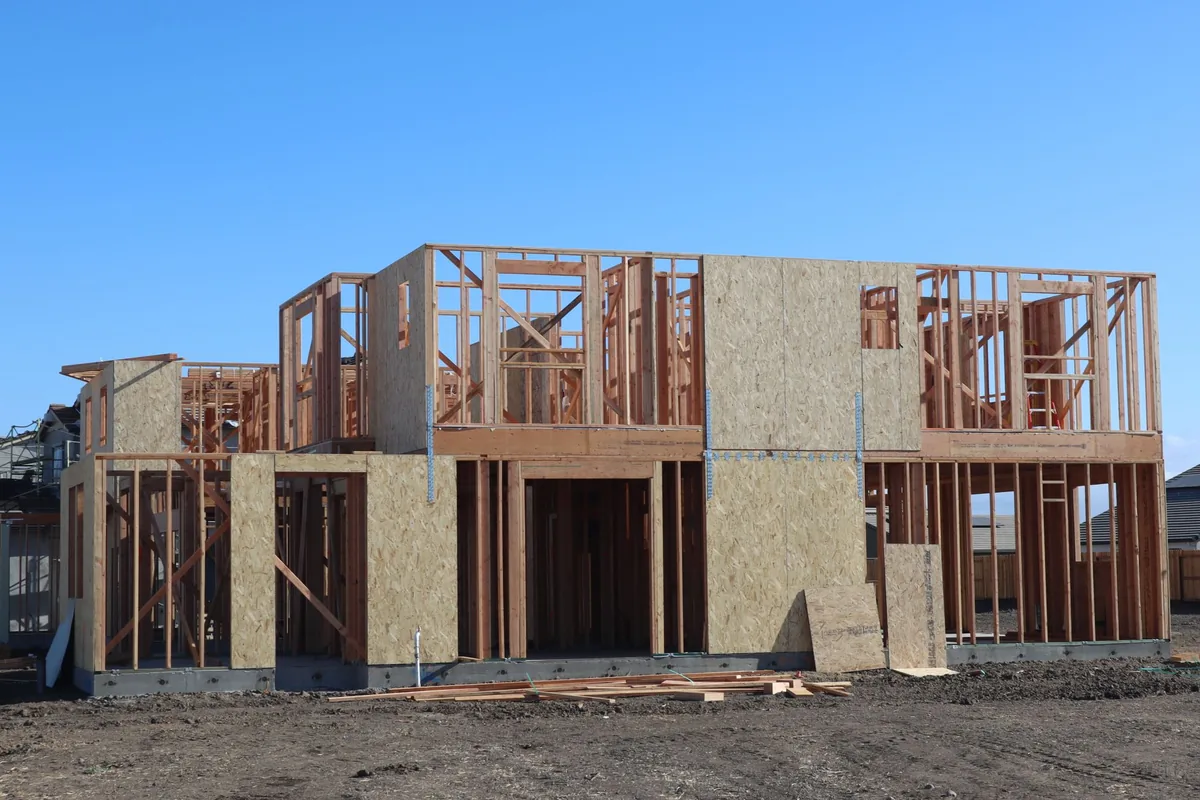
Your truck has the number. Your site should finish the job when someone searches from a driveway in Henrico.
Builders, remodelers, roofers, HVAC, plumbers, electricians, and landscapers around Richmond and eastern Henrico get found the same way: Google, Maps, a referral text, then a phone screen. Contractor website contents are not a design trophy. They are the checklist that turns that tap into a call or a quote request instead of a bounce back to the next listing. The short version: a contractor website needs a clear first screen, a page per service, an honest service area, real job photos, licensed and insured stated plainly, reviews, and a fast way to call or request a quote.
This is what we put on websites for contractors when the goal is local leads, not a brochure nobody reads.
First screen: who you are and how to reach you
Most visits are mobile, often from a job site or a driveway. The first screen should answer three questions without scrolling: what trade you are in, whether you serve that neighborhood, and how to call or request an estimate.
- Business name and trade, plain language (not jargon only other contractors use)
- Tap-to-call phone number, visible and tested on iPhone and Android
- One primary action: call now or request a quote
- Hours or response expectations if you are not a walk-in shop
That is the same bar we describe in Why your website should work well on a phone. If the number is buried in an image or the menu hides contact, you lose the moment Maps or a friend sent them your way.
Services pages that match how people search
A single "Services" bullet list is a start. It is not enough when customers ask "do you install tankless?" or "do you handle commercial roofs?" Each major service deserves its own page: what you do, what you do not do, and the kind of jobs you want.
Group pages the way you talk on the phone:
- Core trades: repair, replacement, new install, maintenance
- Specialties: historic remodels, commercial tenant fit-outs, drainage, generators
- Emergency or same-day, if you truly offer it
Service area belongs in the copy and on dedicated area pages when it helps. List towns you actually work in: Richmond, Henrico, Sandston, New Kent, and the counties you drive to every week. Skip a fake list of fifty suburbs. Honest geography matches local search basics in Virginia and keeps your Google listing aligned with the site.
Photos of real work, not stock filler
Homeowners and property managers hire what they can picture on their own house. Stock photos of models in hard hats do not build trust. Your site needs clear pictures of your crews, your finishes, and your typical job types.
- Before and after sets for remodels, roofing, landscaping, and paint
- Wide shots that show scale plus detail shots of craftsmanship
- Trucks, uniforms, or signage so the work reads as yours
You do not need a studio. You do need enough light and focus that a phone photo still reads on a small screen. We walk through practical shots in Photos for your website: what helps.
Licensing, insurance, and credentials (without the legalese wall)
Virginia consumers and general contractors often ask whether you are licensed and insured before they book. Your site should state it plainly: trade license where required, liability and workers' comp in plain English, manufacturer certifications, and professional memberships that matter in your trade.
Link to the state license lookup when it helps. Do not paste a full policy document on the home page. A short "Licensed and insured in Virginia" line plus a contact path for certificates of insurance is enough for most residential work.
Reviews and social proof you control
Google reviews belong on your listing first. Your website should still show proof: a few quoted reviews, logos of builders or property managers you repeat work for, or badges from programs you actually completed.
Add a short About section with the owner's name, a crew photo, and how long you have been in the trade. Homeowners are letting you into their house. A face and a name close the gap faster than another badge.
Embed or link Google reviews if the widget stays fast. Slow third-party scripts hurt the same users you are trying to impress. Keep a backup: two or three short testimonials with first name, town, and job type.
Contact paths that work on a phone
Some callers want a human now. Others want to describe a job at 10 p.m. and send photos. Give them both:
- Click-to-call and a visible email if you answer it
- A contact or quote form with only the fields you will read
- Optional upload for job photos when estimates depend on visuals
Forms should confirm success, resist spam, and notify you the same day. Details matter: see Contact forms that work.
FAQ: answer the calls you are tired of getting
A short FAQ saves your office staff time and gives Google more text that matches real questions: service area, free estimates, financing, warranties, lead times, and what to expect on the first visit. Write answers the way you would say them on the phone.
Speed, hosting, and the Maps handoff
A contractor site that loads slowly on LTE loses the lead to the next Maps result. Images should be sized for the web, not straight from a 12-megapixel camera. See Why site speed matters for the practical fixes.
Your Google Business Profile should list the same phone, hours, and website URL as the site. When someone taps Website from Maps, they should land on your domain, not a social feed. We covered that split in Do I need a website if I have a Google Business Profile? and Do you need a Google Business Profile? If the only "site" is a Facebook Page, read Facebook page vs website.
Every PFQWEB site includes solid technical SEO from day one. Titles, location signals, and a sitemap are part of the build, not an upsell. Hosting, SSL, and backups are documented on the features page. Business websites are quoted to scope on the pricing page.
If you want ongoing listing and content work after launch, that is Premium SEO, usually with a 6-month commitment. We will tell you whether you need it. Many trades get most of the win from a clean site plus a listing that points at it.
Most projects go from approval to launch in about one to two weeks, depending on how quickly content and feedback come back.
Minimum checklist before you call it done
- Mobile first screen: trade, area, tap-to-call or quote button
- One page per major service; honest service area copy
- Real project photos, including before and after where it applies
- Licensed and insured stated clearly; warranties and credentials that matter in your trade
- Reviews or testimonials; working form with confirmation
- FAQ for the top ten questions your office hears
- Fast load on a phone; GBP website field pointed at this domain
That is the contractor website contents list we use when scoping website design in Richmond, VA for trades. Missing one item is fixable. Missing most of them is why the phone stays quiet after Maps sends traffic.
If you want a straight review of your current site
Send your URL and your Google listing link. Tell us your top three services and the towns you drive to every week. We will look at the live setup whether or not you hire us.
We work from Sandston in eastern Henrico, serving Richmond, Henrico, and New Kent. Call 804-938-5201, email info@pfqweb.com, or use the contact page. Common timeline and package questions are on the FAQ.